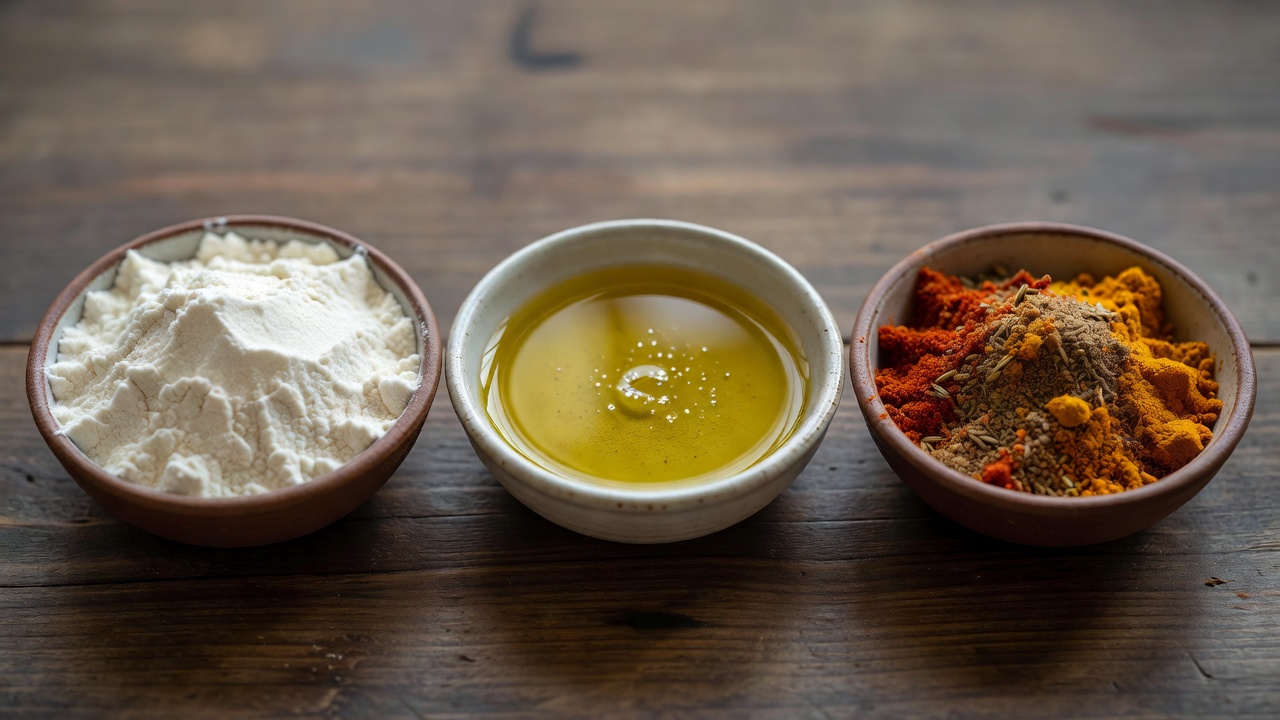
Ask what problem an ingredient solves
A food is a physical system as well as something to eat. It contains water, fats, proteins, carbohydrates, minerals and many smaller compounds. Temperature, mixing, acidity and time change how those components interact. A recipe works partly because its ingredients manage those interactions in useful ways.
That is why a sauce can split, a custard can set and bread can become stale. Commercial formulations often address the same problems encountered in home kitchens, but across longer supply chains and with tighter consistency requirements. An ingredient's technical purpose does not prove it is beneficial or harmful to health; those are separate questions requiring different evidence.
Three mechanisms hiding in ordinary food
These mechanisms are not exclusive to packaged foods. Egg yolk helps mayonnaise form an emulsion. Flour or cornstarch can thicken a sauce. Lemon juice changes the taste of a dressing and can influence the texture of proteins. Recognizing the mechanism makes the vocabulary less intimidating without erasing important differences in dose and use.
Why starch thickens—and sometimes disappoints
When many starches are heated with enough water, their granules swell and release material that thickens the surrounding liquid. The result depends on the starch source, concentration, temperature, stirring and other ingredients. Adding a dry starch directly to a hot liquid can create lumps because the outside hydrates before the inside disperses.
Cooling can reorganize starch molecules, changing firmness and water retention. This contributes to familiar texture changes in cooked foods. It does not mean every cooled starchy food has the same nutritional effect, nor does it make unsafe cooling practices acceptable. Claims about resistant starch need the actual food, preparation method and amount to be specified.
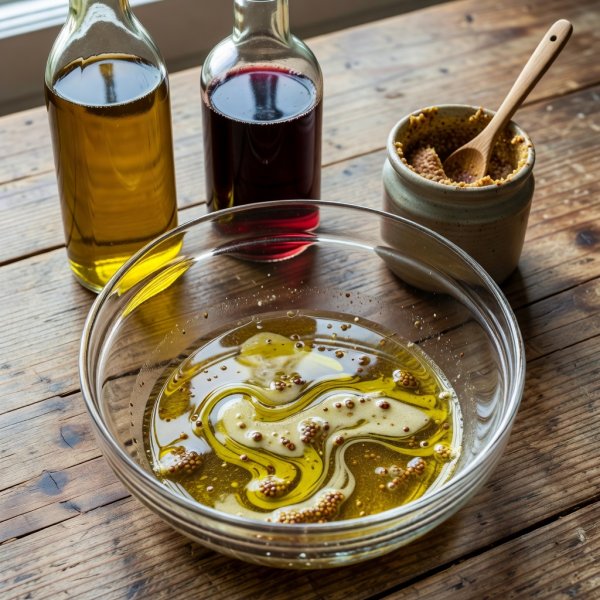
Why mixtures need help staying mixed
Oil and water tend to separate. Mixing can disperse droplets temporarily; an emulsifier can help stabilize their interfaces. Other ingredients may slow separation by thickening the surrounding liquid.
“Emulsifier” is a functional category, not one chemical with one universal biological effect. A study of a specific substance cannot automatically establish the effect of every emulsifier.
Preservation is about the whole system
Salt, sugar, acid, heat, drying and refrigeration can each limit microbial growth in particular circumstances. Their effects depend on concentration, available water, pH, temperature and the organisms involved. A little vinegar added for flavor is not equivalent to a validated preservation process.
Preservatives may inhibit microorganisms or slow other changes such as oxidation. Antioxidants can help prevent fats from developing rancid flavors; antimicrobial ingredients serve a different role. Read these functions separately. A food remaining visually appealing is not proof that it is microbiologically safe, and removing one preservative may require another change to the recipe or storage conditions.
Fermentation is a process, not a promise
During fermentation, microorganisms transform food components and can produce acids, gases, alcohol or other compounds. Yogurt, bread, cheese and many traditional vegetable preparations depend on different organisms and conditions. The finished foods differ substantially in composition, salt content, live microorganisms and intended storage.
Not every fermented food contains live microbes when eaten. Heat treatment and baking can change that. “Probiotic” is a more specific claim than “fermented”: a health benefit needs evidence for the relevant microorganisms, amount and use. Homemade fermentation also requires reliable guidance; visible bubbling alone does not validate safety.
Read safety evidence at the right level
Regulators such as the European Food Safety Authority and the FDA evaluate particular substances and authorized uses. Hazard describes a capacity to cause harm; risk also considers exposure. Approval is not a guarantee that every possible use is suitable, and an alarming laboratory result is not automatically a measurement of everyday human risk.
When a headline sounds decisive, ask whether the study involved humans, whether the exposure resembles ordinary eating, and whether the result has been reproduced. For practical decisions, prioritize your allergies, the overall food pattern and current authoritative guidance over a simple “natural versus synthetic” distinction.