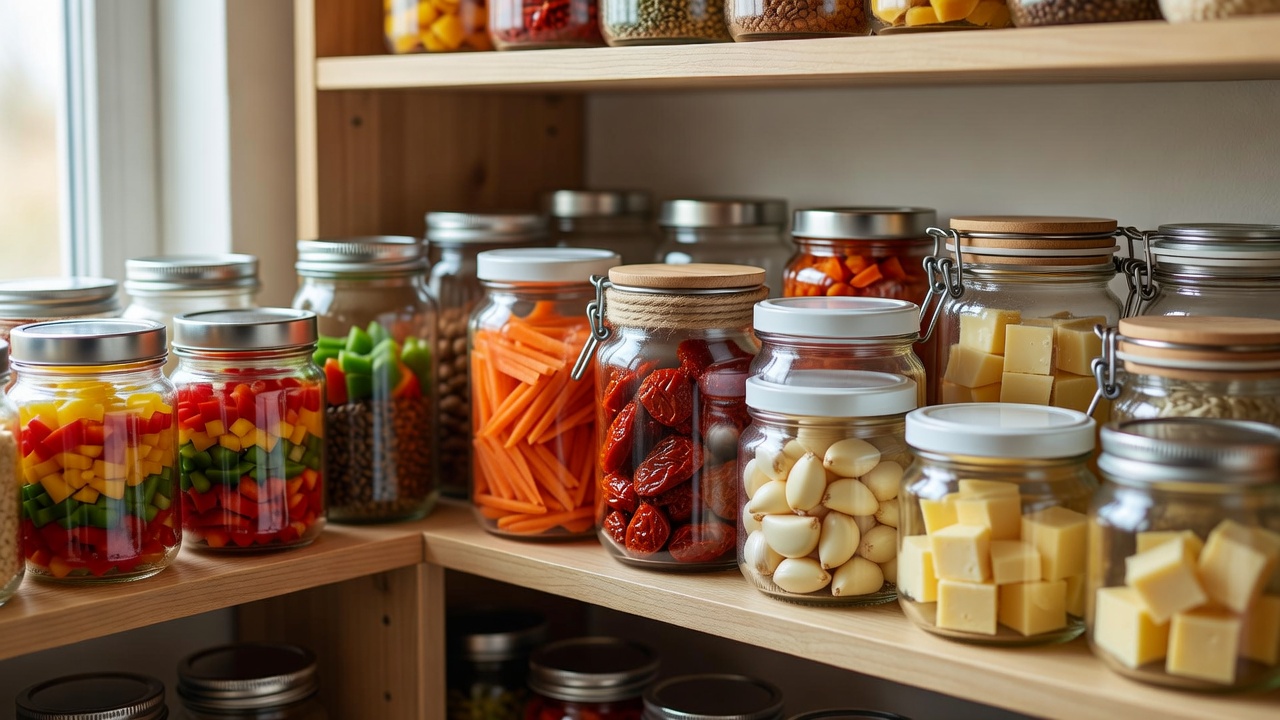
Separate quality from safety
A soft cracker may be disappointing without being dangerous. A food containing harmful bacteria may look and smell ordinary. Quality includes flavor, texture, color and aroma; safety concerns hazards that can cause illness. The two overlap sometimes, but neither is a reliable substitute for the other.
That distinction explains why a smell test has limits. Obvious spoilage is a reason not to eat a food, but the absence of spoilage does not establish safety. You also need to know what the food is, how it was handled, how long it was stored and whether the relevant temperature limits were maintained.
Make the refrigerator measurable
USDA guidance recommends a refrigerator temperature of 40°F (4°C) or below and a freezer temperature of 0°F (-18°C) or below. An appliance thermometer is more informative than the position of a dial. Local recommendations may be expressed differently, so check the authority responsible for your location.
Refrigeration slows many microorganisms but does not stop all growth. Keep raw animal foods contained so their juices cannot contaminate ready-to-eat food. Leave enough room for cold air to circulate, and follow package instructions after opening. A product that is shelf-stable unopened may require refrigeration once its protective packaging is broken.
Cool promptly, rather than waiting all evening
Large pots cool slowly. Divide cooked food into shallow containers and refrigerate promptly according to appropriate guidance. Under general USDA advice, refrigerate perishable food within 2 hours, or within 1 hour when the surrounding temperature is above 90°F (32°C). These are outer limits, not targets to wait for.
Do not assume reheating repairs every earlier mistake. Some microorganisms can produce toxins that ordinary reheating may not reliably remove. Rice and other cooked starches deserve careful handling too, not just meat. For a specific food, use a trustworthy storage guide rather than extending a general rule beyond its scope.
Compare preservation methods by what they do
| Method | What it can do | What it does not prove |
|---|---|---|
| Refrigeration | Slows many microbial and chemical changes. | That food remains safe indefinitely. |
| Freezing | Stops microbial growth while food remains fully frozen. | That all pathogens have been destroyed. |
| Drying | Reduces water available for microbial growth. | That any home-dried food is shelf-stable. |
| Acidification | Creates conditions less favorable to some organisms. | That adding a splash of vinegar validates a recipe. |
| Canning | Uses a validated heat process and sealed container. | That an improvised process is safe. |
These methods often work together. A fermented product may still require refrigeration; a dried food may need moisture-proof packaging. The safety of a process depends on measured conditions, not just the name of the technique. Home canning, especially of low-acid foods, requires tested recipes and suitable equipment.
Freeze with a plan for thawing
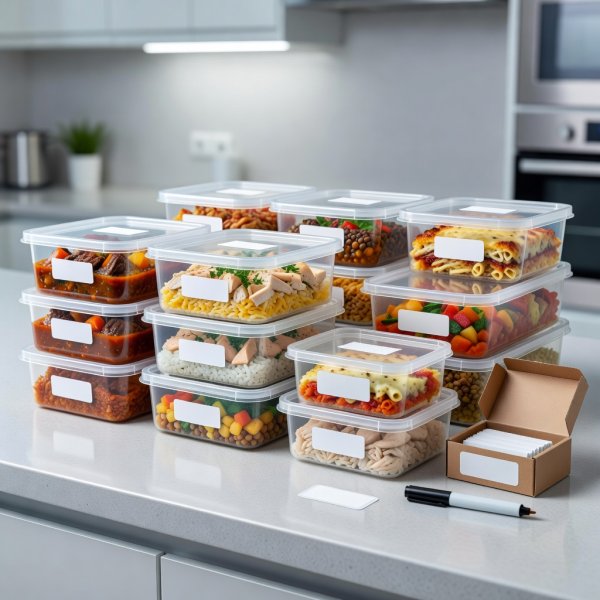
Freeze food while it is still suitable to eat, not as a way to rescue something with an uncertain history. Label containers with the food and freezing date so you can rotate them.
USDA advises safe thawing in the refrigerator, in cold water under appropriate conditions, or in a microwave followed by immediate cooking. A kitchen counter is not a safe default.
Read dates within their local rules
“Best before,” “use by” and similar phrases do not have identical meanings everywhere. In the United Kingdom, the Food Standards Agency distinguishes safety-related use-by dates from quality-related best-before dates. US date labeling is more varied, with specific exceptions such as infant formula. Avoid importing one country's interpretation into another country's packaging.
Storage instructions and opening instructions still matter. A printed date does not guarantee safety after poor handling, and a best-before date alone is not evidence that a properly stored shelf-stable food suddenly becomes unsafe. When a safety-related use-by instruction applies, do not use smell to override it.
Use specific guidance when the answer matters
USDA commonly advises using refrigerated cooked leftovers within 3 to 4 days, but some foods need different handling and other authorities may recommend shorter periods. The FoodKeeper resource provides food-specific information. Follow the more relevant product, local or clinical instruction rather than treating one general number as permission for everything.
Pregnant people, young children, older adults and people with weakened immune systems face higher risks from some foodborne illnesses. CDC guidance can help identify foods and practices needing extra caution. If the time-temperature history is unknown or a safety limit has been exceeded, do not taste the food to investigate.